Howdy!

Best CMS for Small Business: How to Choose the Right Platform

Sergiy Kravchuk

Sergiy Kravchuk

Jun 19, 2026
Share this article
Best CMS for Small Business: How to Choose the Right Platform

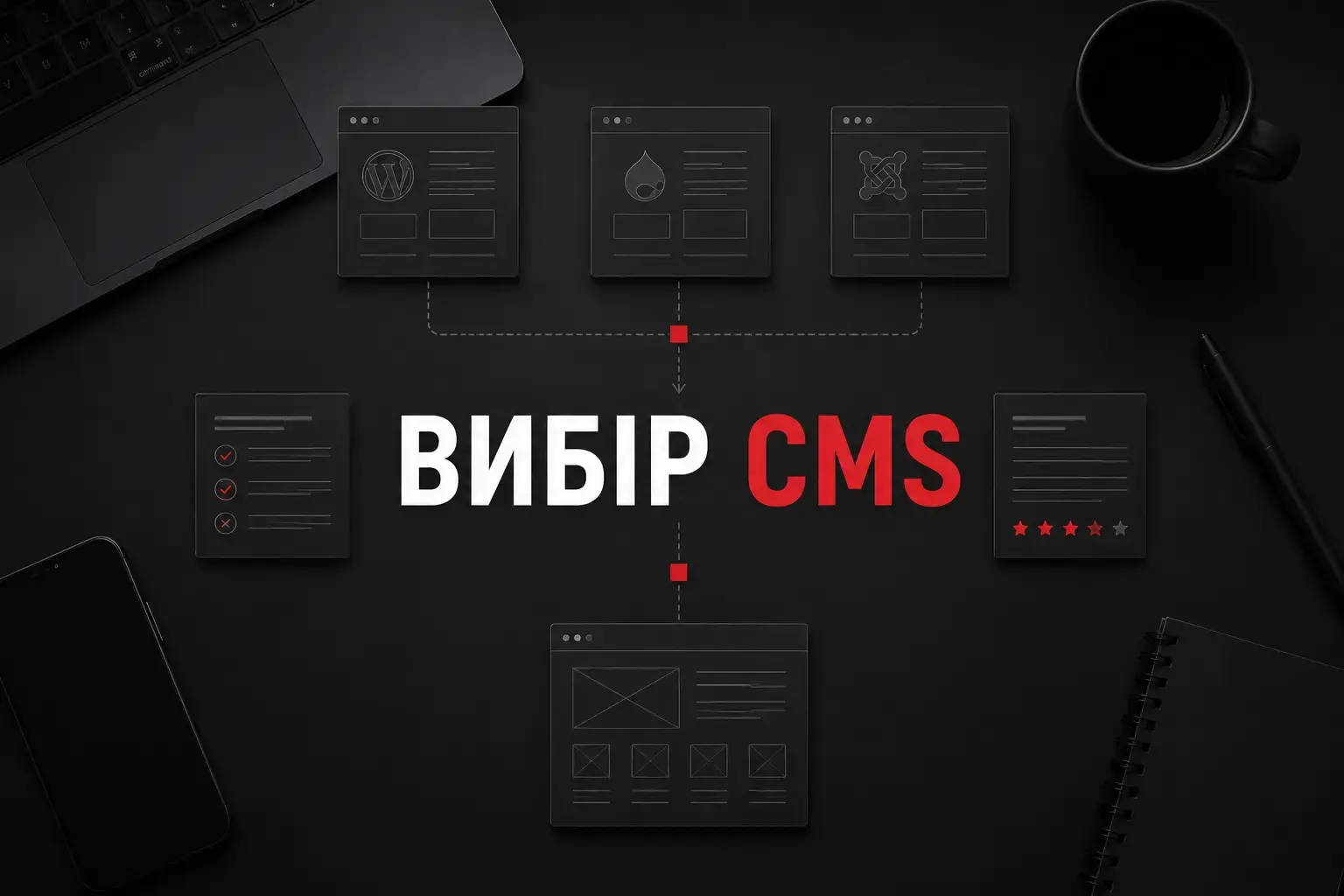
The best CMS for a small business is the one that fits the website model, internal editing needs, marketing stack, technical support, and growth plan. A platform should be evaluated as an operating system for the website, not only by its theme library or the popularity of the brand.


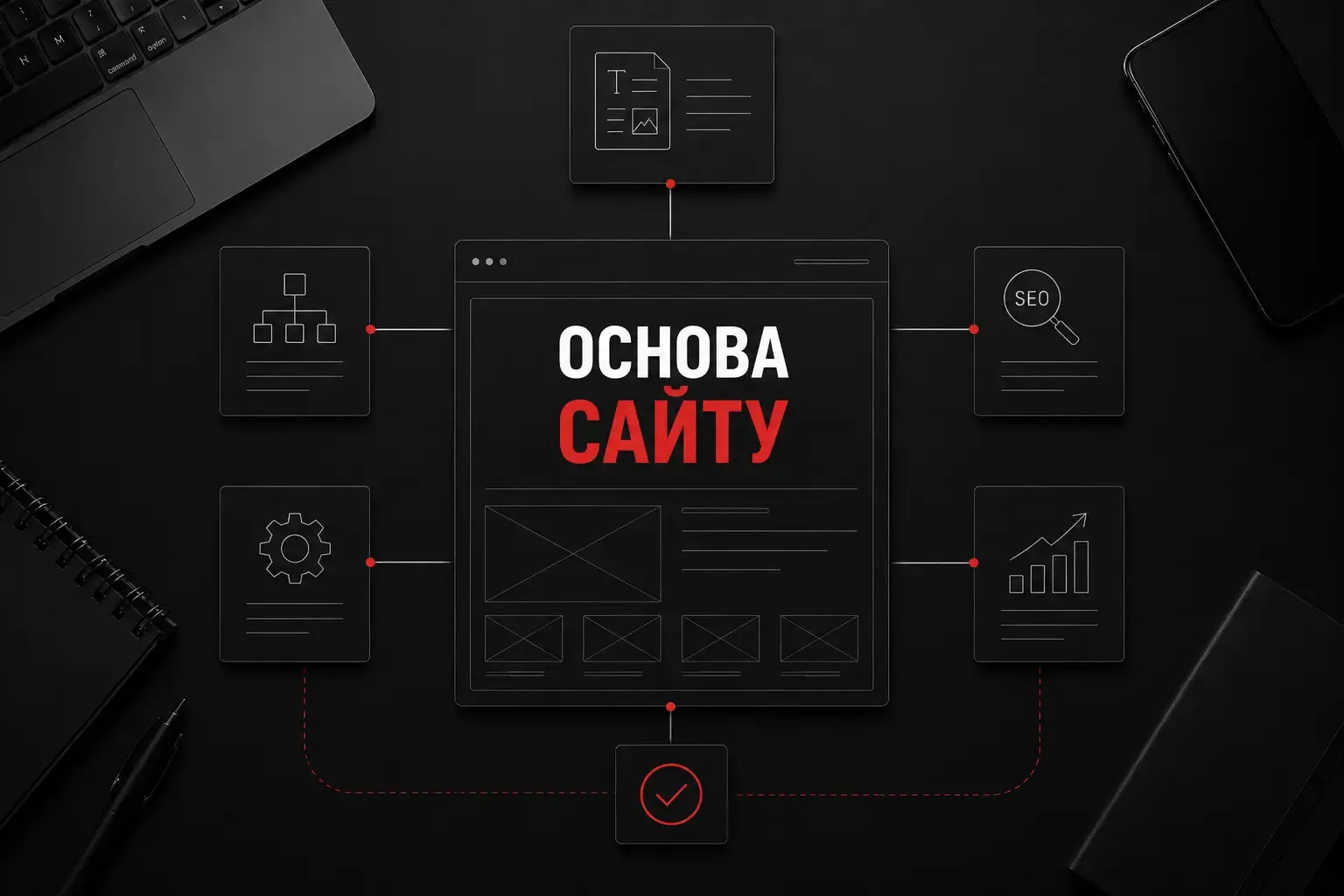
CMS selection framework

Best CMS for Small Business: How to Choose the Right Platform

The best CMS for a small business is the one that fits the website model, internal editing needs, marketing stack, technical support, and growth plan. A platform should be evaluated as an operating system for the website, not only by its theme library or the popularity of the brand.
Editing workflow Choose a CMS that lets the people responsible for content update pages, services, products, media, and metadata without unsafe workarounds.
SEO controls Confirm that the platform supports editable titles, descriptions, headings, canonicals, redirects, sitemaps, structured data, and clean internal linking.
Ownership and portability Understand who controls the domain, hosting, content, code, database, exports, and integrations so the business is not locked into an unclear dependency.
Security and updates Review the update model, extension ecosystem, access control, backup process, and responsibility for patching vulnerabilities.
Best CMS for Small Business: How to Choose the Right Platform
Quick answer

Best CMS for Small Business: How to Choose the Right Platform: The Short Answer

The best CMS for a small business is the one that fits the website model, internal editing needs, marketing stack, technical support, and growth plan. A platform should be evaluated as an operating system for the website, not only by its theme library or the popularity of the brand.
Start here

Editing workflow

Choose a CMS that lets the people responsible for content update pages, services, products, media, and metadata without unsafe workarounds.
Priority

SEO controls

Confirm that the platform supports editable titles, descriptions, headings, canonicals, redirects, sitemaps, structured data, and clean internal linking.
Quality check

Ownership and portability

Understand who controls the domain, hosting, content, code, database, exports, and integrations so the business is not locked into an unclear dependency.
Outcome

Security and updates

Review the update model, extension ecosystem, access control, backup process, and responsibility for patching vulnerabilities.
Main explanation

What Matters Most in Choosing a CMS for Small Business

The best CMS for a small business is the one that fits the website model, internal editing needs, marketing stack, technical support, and growth plan. A platform should be evaluated as an operating system for the website, not only by its theme library or the popularity of the brand.
Discuss Website Development
For choosing a CMS for a small business website, start with editing workflow and seo controls, then validate the result before moving to lower-impact refinements.
What Matters Most in Choosing a CMS for Small Business

Editing workflow

Choose a CMS that lets the people responsible for content update pages, services, products, media, and metadata without unsafe workarounds.

SEO controls

Confirm that the platform supports editable titles, descriptions, headings, canonicals, redirects, sitemaps, structured data, and clean internal linking.

Ownership and portability

Understand who controls the domain, hosting, content, code, database, exports, and integrations so the business is not locked into an unclear dependency.

Security and updates

Review the update model, extension ecosystem, access control, backup process, and responsibility for patching vulnerabilities.


Performance and architecture

Make sure the CMS can deliver the required pages, catalog size, traffic, languages, and integrations without excessive plugins or fragile customizations.

Maintenance cost

Compare ongoing developer support, licenses, hosting, extensions, content operations, and future redesign work rather than only the launch price.
Core factors

Core Factors in Choosing a CMS for Small Business

A practical approach to choosing a CMS for a small business website is easier to manage when the major decisions are treated as one system. These six factors cover the areas that usually have the greatest impact.
Editing

Editing workflow

Choose a CMS that lets the people responsible for content update pages, services, products, media, and metadata without unsafe workarounds.
  • Page editing
  • Media management
  • Reusable blocks
  • User roles
Check first
SEO

SEO controls

Confirm that the platform supports editable titles, descriptions, headings, canonicals, redirects, sitemaps, structured data, and clean internal linking.
  • Metadata
  • Canonicals
  • Redirects
  • Sitemaps
High priority
Ownership

Ownership and portability

Understand who controls the domain, hosting, content, code, database, exports, and integrations so the business is not locked into an unclear dependency.
  • Domain ownership
  • Data access
  • Backups
  • Exports
Plan early
Security

Security and updates

Review the update model, extension ecosystem, access control, backup process, and responsibility for patching vulnerabilities.

  • Updates
  • User access
  • Backups
  • Extension risk
Validate
Performance

Performance and architecture

Make sure the CMS can deliver the required pages, catalog size, traffic, languages, and integrations without excessive plugins or fragile customizations.
  • Page speed
  • Architecture
  • Scale
  • Integrations
Keep consistent
TCO

Maintenance cost

Compare ongoing developer support, licenses, hosting, extensions, content operations, and future redesign work rather than only the launch price.
  • Licenses
  • Support
  • Hosting
  • Future changes
Monitor
Practical checklist

Best CMS for Small Business: How to Choose the Right Platform: Checklist

Use this checklist to review choosing a CMS for a small business website in a repeatable order. The goal is to catch high-impact issues before they become harder or more expensive to fix.
Step 1

Review editing workflow

Choose a CMS that lets the people responsible for content update pages, services, products, media, and metadata without unsafe workarounds.
  • Page editing
  • Media management
  • Reusable blocks
  • User roles
Step 2

Review seo controls

Confirm that the platform supports editable titles, descriptions, headings, canonicals, redirects, sitemaps, structured data, and clean internal linking.
  • Metadata
  • Canonicals
  • Redirects
  • Sitemaps
Step 3

Review ownership and portability

Understand who controls the domain, hosting, content, code, database, exports, and integrations so the business is not locked into an unclear dependency.
  • Domain ownership
  • Data access
  • Backups
  • Exports
Step 4

Review security and updates

Review the update model, extension ecosystem, access control, backup process, and responsibility for patching vulnerabilities.

  • Updates
  • User access
  • Backups
  • Extension risk
Step 5

Review performance and architecture

Make sure the CMS can deliver the required pages, catalog size, traffic, languages, and integrations without excessive plugins or fragile customizations.
  • Page speed
  • Architecture
  • Scale
  • Integrations
Step 6

Review maintenance cost

Compare ongoing developer support, licenses, hosting, extensions, content operations, and future redesign work rather than only the launch price.
  • Licenses
  • Support
  • Hosting
  • Future changes
Step-by-step process

A Practical Process for Choosing a CMS for Small Business

The exact scope depends on the website and business model, but this sequence keeps choosing a CMS for a small business website focused on dependencies, validation, and measurable outcomes.
01 Step
Editing

Editing workflow

Choose a CMS that lets the people responsible for content update pages, services, products, media, and metadata without unsafe workarounds.
Start
02 Step
SEO

SEO controls

Confirm that the platform supports editable titles, descriptions, headings, canonicals, redirects, sitemaps, structured data, and clean internal linking.
Priority
03 Step
Ownership

Ownership and portability

Understand who controls the domain, hosting, content, code, database, exports, and integrations so the business is not locked into an unclear dependency.
Plan
04 Step
Security

Security and updates

Review the update model, extension ecosystem, access control, backup process, and responsibility for patching vulnerabilities.

Implement
05 Step
Performance

Performance and architecture

Make sure the CMS can deliver the required pages, catalog size, traffic, languages, and integrations without excessive plugins or fragile customizations.
Validate
06 Step
TCO

Maintenance cost

Compare ongoing developer support, licenses, hosting, extensions, content operations, and future redesign work rather than only the launch price.
Ongoing
Problems and solutions

Common Problems in Choosing a CMS for Small Business and How to Fix Them

The same mistakes appear repeatedly in choosing a CMS for a small business website. Separating the problem from the corrective action helps teams focus on the cause instead of treating symptoms.

Common problems

Choosing a CMS only because it is popular
A common platform can still be a poor fit if the project needs a different content model, workflow, or integration architecture.
Using too many extensions for core functionality
A stack of overlapping plugins can increase maintenance, compatibility, performance, and security risk.
Ignoring who owns the website data
Businesses can become dependent on a vendor when exports, database access, domain control, or backups are unclear.
Treating SEO as an add-on after launch
If metadata, URLs, canonicals, redirects, and structured content are hard to control, future optimization becomes slower and more expensive.
Selecting a platform without a maintenance plan
Every CMS needs updates, backups, monitoring, and someone responsible for technical issues.
Building for today only
A platform that works for five pages may become restrictive when the business adds languages, ecommerce, integrations, or a larger content program.

Better approach

Improve editing workflow
Choose a CMS that lets the people responsible for content update pages, services, products, media, and metadata without unsafe workarounds.
Improve seo controls
Confirm that the platform supports editable titles, descriptions, headings, canonicals, redirects, sitemaps, structured data, and clean internal linking.
Improve ownership and portability
Understand who controls the domain, hosting, content, code, database, exports, and integrations so the business is not locked into an unclear dependency.
Improve security and updates
Review the update model, extension ecosystem, access control, backup process, and responsibility for patching vulnerabilities.

Improve performance and architecture
Make sure the CMS can deliver the required pages, catalog size, traffic, languages, and integrations without excessive plugins or fragile customizations.
Improve maintenance cost
Compare ongoing developer support, licenses, hosting, extensions, content operations, and future redesign work rather than only the launch price.
Practical scenarios

How Priorities Change by Situation: Choosing a CMS for Small Business

These scenarios show how priorities for choosing a CMS for a small business website change between a new launch, an established website, a growing content set, a migration, and a site that depends on both organic and paid acquisition.
1
A new website is about to launch Prioritize editing workflow. Choose a CMS that lets the people responsible for content update pages, services, products, media, and metadata without unsafe workarounds.
2
An existing site has inconsistent results Prioritize seo controls. Confirm that the platform supports editable titles, descriptions, headings, canonicals, redirects, sitemaps, structured data, and clean internal linking.
3
A small business needs a focused first step Prioritize ownership and portability. Understand who controls the domain, hosting, content, code, database, exports, and integrations so the business is not locked into an unclear dependency.
4
A growing site is adding more pages or products Prioritize security and updates. Review the update model, extension ecosystem, access control, backup process, and responsibility for patching vulnerabilities.

5
A redesign or migration is planned Prioritize performance and architecture. Make sure the CMS can deliver the required pages, catalog size, traffic, languages, and integrations without excessive plugins or fragile customizations.
6
SEO and paid campaigns need to work together Prioritize maintenance cost. Compare ongoing developer support, licenses, hosting, extensions, content operations, and future redesign work rather than only the launch price.
Related services

Next Steps for Choosing a CMS for Small Business

For choosing a CMS for a small business website, the best next step depends on whether the main need is diagnosis, implementation, or a broader growth program. Start with the narrowest service that solves the actual problem.
Service
Timeline
Scope
Next step
Website Development
Use Website Development when the main need is directly related to choosing a CMS for a small business website and implementation should follow a defined scope.
After initial review
Project scope
WordPress Development
Use WordPress Development when the main need is directly related to choosing a CMS for a small business website and implementation should follow a defined scope.
After initial review
WordPress scope
Full-Service Website Development
Use Full-Service Website Development when the main need is directly related to choosing a CMS for a small business website and implementation should follow a defined scope.
After initial review
End-to-end scope
Search and AI clarity

Choosing a CMS for Small Business: Search and AI Clarity

For choosing a CMS for a small business website, search and answer systems need accessible pages, clear structure, consistent facts, and enough context to understand the page purpose. These practices support clarity and eligibility, not guaranteed rankings or AI citations.

Answer the main question directly

Open with a direct explanation of choosing a CMS for a small business website, then support it with the checks, trade-offs, and examples a business needs to make a decision.

Use descriptive headings

Organize choosing a CMS for a small business website into distinct subtopics such as editing workflow, seo controls, and ownership and portability instead of repeating one keyword pattern.

Keep facts and visible content consistent

Any claims, business details, snippets, structured data, and visible guidance about choosing a CMS for a small business website should describe the same real-world information.

Build internal context

Link choosing a CMS for a small business website to the most relevant service and supporting guides so the relationship to broader website, SEO, and acquisition work is explicit.

Maintain technical accessibility

Guidance about choosing a CMS for a small business website still depends on crawlable URLs, stable responses, sensible canonicals, mobile usability, and a clean rendering path where those signals apply.

Avoid guarantees

Improvements to choosing a CMS for a small business website can strengthen relevance, usability, measurement, or crawlability, but they cannot guarantee a specific ranking, lead volume, or AI citation.
FAQ

Frequently Asked Questions About Choosing a CMS for Small Business

Short answers to common questions businesses ask when evaluating choosing a CMS for a small business website.
What is the first thing to check with choosing a CMS for a small business website?
Choose a CMS that lets the people responsible for content update pages, services, products, media, and metadata without unsafe workarounds.
Why does seo controls matter?
Confirm that the platform supports editable titles, descriptions, headings, canonicals, redirects, sitemaps, structured data, and clean internal linking.
What is a common mistake with ownership and portability?
Businesses can become dependent on a vendor when exports, database access, domain control, or backups are unclear.
Can a business review choosing a CMS for a small business website without a specialist?
A team can usually review the basics of choosing a CMS for a small business website when it understands the website and has access to the relevant tools. Issues involving editing workflow, seo controls, or cross-system dependencies may need specialist validation.
How often should choosing a CMS for a small business website be reviewed?
Review choosing a CMS for a small business website after major website or campaign changes and when signals related to editing workflow or seo controls change materially. The right cadence depends on how often the site is updated.
When is professional help useful?
Professional help is useful when problems with choosing a CMS for a small business website affect revenue, paid traffic, indexing, a migration, or many pages, or when the team cannot confidently identify and verify the root cause.
Need Help With Choosing a CMS for Small Business?
Next step

Need Help With Choosing a CMS for Small Business?

Share the website URL and the main business goal. We can review the current situation, identify the highest-priority issues related to choosing a CMS for a small business website, and recommend a focused next step without promising guaranteed rankings or results.

Choose a convenient way to get in touch

Focused review

Start with the website, the business goal, and the specific choosing a CMS for a small business website problem instead of applying a generic checklist to every page.

Clear priorities

Prioritize editing workflow and seo controls first when they are blockers, then move to refinements that have less immediate impact.

SEO and business context

Connect choosing a CMS for a small business website with technical quality, content, measurement, and conversion requirements where those areas influence the same business outcome.
Latest News Latest News